4 Reasons Why You Should Wear
Sunscreen Everyday
4 Benefits In
Using Sunscreen Daily:
Sunscreen is more than just sunburn protection; it helps protect the skin year-round from skin damage caused by UV rays. By wearing sunscreen daily, you can help prevent lasting damage. Here are four key benefits of making sunscreen a daily habit.
Sunscreen contains active ingredients, also known as sun filters, that absorb or reflect UV rays before they can penetrate the skin. These can be mineral filters, such as zinc oxide and titanium dioxide, or organic filters (sometimes called chemical filters). These ingredients form a protective barrier that reduces the impact of UV radiation. To provide broad-spectrum protection against UVA and UVB rays, several filters need to be combined.
UVA rays penetrate deep into the skin, causing long-term damage like premature ageing, while UVB rays cause sunburn and immediate skin damage. Wearing broad-spectrum sunscreen everyday can help protect the skin from sunburn and skin damage.

Sunscreen blocks UV rays that contribute to the breakdown of Collagen and Elastin, essential proteins that keep the skin firm. By reducing UV exposure, wearing sunscreen daily helps preserve skin structure and elasticity.
A cause of premature ageing is Photoageing, which results from chronic UV exposure. UV rays penetrate the skin, causing oxidative stress, leading to wrinkles, fine lines, and sagging skin. Wearing sunscreen every day helps minimise this process, preventing early signs of ageing and skin damage.
Sunscreen acts as a barrier to UV radiation, reducing its ability to trigger inflammatory responses in the skin. This helps prevent redness, irritation, and conditions such as sunburn and heat rashes caused by the sun.
Some sunscreens also contain ingredients to moisturise the skin daily, while protecting it against UV rays, helping to keep the skin barrier intact and reducing inflammation caused by UV exposure. Daily sunscreen use helps protect both the inner and outer layers of the skin from environmental stressors.
Sunscreen helps prevent excessive melanin production, which occurs when the skin tries to protect itself from UV damage. By blocking UV rays, sunscreen helps prevent sunspots, hyperpigmentation, and uneven skin tone.
Exposure to UV rays can cause an overproduction of melanin, leading to dark spots. Over time, this sun-induced discolouration can become permanent. Regular sunscreen application helps maintain a consistent skin tone by reducing UV damage and helping to prevent pigmentation from worsening.
The Perfect & Radiant LUMINOUS630 ANTI DARK MARK Day Cream SPF50 combines sun protection with advanced skincare to promote an even, luminous complexion. Its patented LUMINOUS630® formula acts on existing pigmentation to visibly reduce dark marks and spots, and works with the skin's natural melanin to reduce the appearance of new dark marks, for even skin tone across all skin tones.
NIVEA SUN
For Daily Use
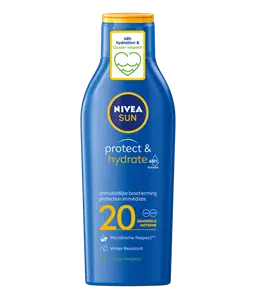
Wearing sunscreen daily on exposed parts of the face and body is an important step in protecting your skin, and NIVEA offers a range of sun care products to suit different needs. Whether you're looking for high SPF protection or a gentle formula for sensitive skin, there are various options available. From lotions and sprays to roll-ons in the NIVEA Protect & Moisture Range, sunscreens are designed to keep skin protected and hydrated. By regularly applying a suitable sun care product, you can stay comfortable and protected while enjoying time outdoors.
For reliable protection, the NIVEA Protect & Moisture Invisible Finish SPF50+ offers an invisible finish and absorbs in seconds, leaving no white residue. It provides an ultra-light formula that feels weightless on the skin and is water-resistant, ensuring reliable protection during outdoor activities, with a non-sticky formula that provides a smooth and radiant finish, perfect for everyday application, defending against the sun and UV rays without compromising on comfort or appearance.

Incorporate SPF Daily
into Your Skincare

Moisturise daily using SPF:
To keep your skin hydrated with a daily moisturiser perfect for your everyday routine, try NIVEA Soft Daily UV SPF 15. Its unique formula is designed to be light and deeply moisturising, with UV protection. Infused with shea butter and jojoba oil, it softens the skin and offers lasting hydration. Enriched with UV filters and vitamin E, it helps protect skin from sun damage.
Extra daily protection:
For extra protection, apply a broad-spectrum sunscreen. Try the NIVEA SUN 2In1 Primer UV Serum SPF 50+ in your daily skincare routine. This fragrance-free formula combines the benefits of a primer and serum, helping to prevent premature ageing induced by UV rays and hydrating the skin. With hyaluronic acid providing moisture to the upper layers of the epidermis, and licochalcone supporting the skin's defence mechanism and protecting cells from oxidative stress, it helps shield your complexion from UV damage, sunburn and photoageing.