Jojoba Oil for Skin:
Benefits and Uses
Jojoba oil is a natural liquid wax extracted from the seeds of the Simmondsia chinensis plant, native to arid regions of North America. The oil is relatively similar to the fats found in human sebum, making it an excellent emollient that absorbs easily.
Containing vitamin e and fatty acids, it may have certain anti-inflammatory properties and help support healing. These properties make jojoba oil ideal for soothing irritation, Redness, and even managing blemishes.
Due to its similarity with human sebum, jojoba oil blends seamlessly with the skin, making it a staple in natural skin care products.
7 Benefits of
jojoba oil for skin
Is jojoba oil good for the skin? When applied on its own or within skincare products, using jojoba oil for the face and body could have numerous potential benefits. Here are some key benefits that jojoba oil may have for the skin, however, it should be remembered that many of these benefits would need to be confirmed by further studies and that they generally apply to jojoba oil used neat and not necessarily to the formulations that contain it.
- 1Hydration
Due to its waxy nature and its emollient properties, jojoba oil forms a protective barrier that locks in moisture while shielding the skin from external aggressors, making it highly effective for dry skin.
- 2Antioxidant properties
The natural vitamin e content in jojoba oil acts as an antioxidant, helping the skin combat oxidative stress caused by pollutants and toxins. This protective effect can also aid in soothing Redness after being exposed to sunlight.
- 3Non-comedogenic & blemish control
Jojoba oil has a composition quite similar to that of the skin's natural sebum, so it can help dissolve the sebum contained in the skin's pores. This makes it an excellent option for blemished skin, as it helps to Hydrate without clogging pores, thus limiting the risk of a pimple appearing.
- 4Anti-inflammatory properties
Recent studies have shown that jojoba oil may have useful anti-inflammatory properties for a range of skin conditions, particularly Redness and irritation.
- 5Soothing & skin Repair
Known for its soothing and Nourishing properties, jojoba oil is ideal for sensitive skin. It could help alleviate Redness and irritation while supporting the skin's natural healing process, making it a great choice for skin prone to dryness and irritation.
- 6Effect of collagen production
Ex-vivo studies have shown that jojoba oil supports the production of collagen for skin, a protein which helps maintain skin elasticity. This effect could be useful in helping to reduce the signs of ageing.
- 7Soothes sunburn
Jojoba oil's emollient properties could be beneficial in helping to soothe sunburned skin. The healing components help calm irritation and may prevent skin peeling, promoting faster recovery from sun exposure.
Uses of
jojoba oil
Jojoba oil can be applied directly to the skin for many different purposes and is commonly mixed with other beneficial ingredients in skincare products like face creams and body lotions that aim to help soothe dry skin and keep skin looking healthy and soft. Jojoba oil uses for skin include:

- 1Applying jojoba oil directly to the skin on its own
Jojoba oil is easily absorbed into the skin and can be applied directly to the skin as-is. If you're interested in exploring the use of jojoba oil to address specific skin conditions, be sure to consult with your dermatologist.
- 2As an ingredient in moisturising lotions and creams
Since jojoba oil acts very similarly to our skin's naturally Moisturizeing oils, products containing jojoba oil like Nourish moisturising lotions may help to support the skin in maintaining moisture and help Protect skin from drying out.
- 3As a carrier oil for essential oils
Jojoba oil can be used for applying essential oils to the skin. Concentrated essential oils cannot be applied pure to the skin. They must first be mixed with an oil, such as jojoba oil, which dilutes them so that they can be safely applied to the skin.
- 4Applying directly to hair and nails
Jojoba oil can be used as a cuticle oil or a leave-in hair conditioner.
Jojoba oil
Key Benefits: Naturally containing vitamin e and antioxidants, it can help keep the skin in good condition.
Uses: Found in body lotion, serums, cleansers, and as a natural makeup remover.
Special Features: Lightweight, non-comedogenic, and offers excellent protection to maintain hydration levels without clogging pores.
NIVEA &
jojoba oil
Jojoba oil is a versatile ingredient that can be seamlessly integrated into your daily skincare routine. Known for its Hydrateing and soothing properties, it works across different skincare steps - from cleansing in the shower to Moisturizeing your face and body. Follow this step-by-step guide to maximise its benefits:

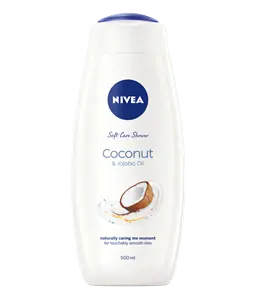
Jojoba oil is not just for oils; it is commonly found in body wash, shower creams, and moisturisers. If you are looking for a soothing shower experience, explore the NIVEA Coconut and jojoba oil Soft Care Shower, which gently cleanses and Nourishs your skin with the smoothing properties of jojoba oil. Its Caring formula is ideal for those seeking to Protect their skin from drying out, leaving the skin soft and supple.
NIVEA offers a wide range of shower cleansing products tailored to different skin needs, whether it's deep Nourish, Gentle formula care, or an invigorating refresh - there's a perfect match for everyone.
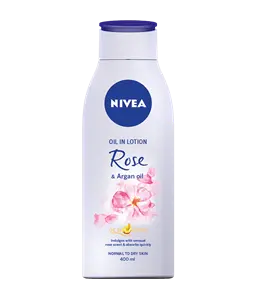
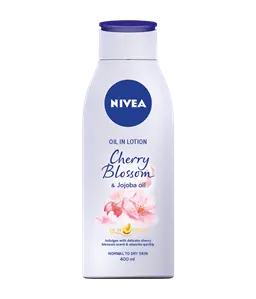
For an extra boost of hydration, try the NIVEA Cherry Blossom and jojoba oil Body Lotion. Packed with Nourish jojoba oil, this oil milk with a Non-greasy texture helps to smooth and deeply Moisturize your skin, leaving it soft and replenished.
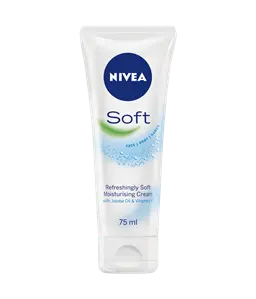
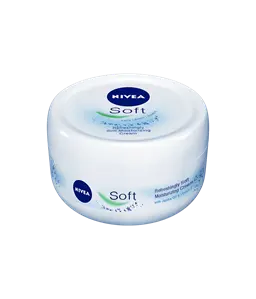
Alternatively, enhance your routine with NIVEA Soft Daily UV SPF 15, a Refreshing all-purpose Cream that leaves your skin feeling soft and supple. The Lightweight formula, infused with shea butter and jojoba oil, provides intense hydration while helping to Protect your skin from harmful UV rays. Regular use helps prevent sun damaged skin and photoaging, making it an essential part of the daily skincare routine.

Jojoba oil vs.
argan oil
Both jojoba and argan oil are popular in skincare, but they have distinct differences:
- 1Source:
Jojoba oil is derived from the seeds of the Simmondsia chinensis plant native to North America, while argan oil comes from the kernels of the argan tree (Argania spinosa) found in Morocco.
- 2Composition:
Jojoba oil is technically a liquid wax ester, whose structure resembles the components of human sebum, whereas argan oil is mainly made up of triglycerides (fatty substances composed of glycerol combined with 3 fatty acids) rich in linoleic and oleic acids.
- 3Scent:
Unrefined argan oil has a strong nutty aroma, whereas jojoba oil has a faint nutty or earthy scent, with refined versions being odourless and colourless.
- 4Vitamins and benefits:
Jojoba oil and argan oil both contain vitamin e and antioxidants. Given its similar composition to sebum, jojoba oil is more suitable for oily skin and blemish-prone skin and overall body skincare routine. Argan oil, rich in vitamin e, essential fatty acids, and polyphenols, is best for dry or mature skin.
- 5Texture & absorption:
Jojoba oil and argan oil both present a Lightweight, Fast-absorbing texture that Hydrates without greasiness which makes them ideal for use on the skin as well as the hair.
Summary
Jojoba oil is a versatile and beneficial ingredient in skincare, offering Moisturizeing, antioxidant, and non-comedogenic properties. The similarity to human sebum allows jojoba oil to keep skin hydrated without clogging pores, making it suitable for various skin types. Incorporating products containing jojoba oil, such as those offered by NIVEA, can enhance your skincare routine, promoting healthy and Nourishd skin.
FAQs
Jojoba oil is generally considered to be non-comedogenic and may help reduce breakouts due to its antibacterial properties, but results can vary.
Jojoba oil is ideal for Protecting the skin against dryness and can be used alone pure as an emollient to lock in moisture after a shower. However, if you have dry skin, it is often most effective when combined with other Moisturizeing ingredients in a formulated product.
While no direct effect on wrinkles has been demonstrated, its antioxidant content could help combat skin damage and keeps skin looking healthy and supple.
Jojoba oil is gentle enough for the delicate eye area and can help soften the skin with a possible effect on Fine lines.
Despite its high fat content, jojoba oil has a similar composition to natural sebum and is absorbed fairly quickly into the skin. As long as you apply it in small quantities, it won't necessarily leave your skin looking greasy.
Absolutely! Jojoba oil penetrates quickly and is easy to use in combination with serums, even foundations for added hydration. It is generally advisable to wait until the first product applied has penetrated before applying the next, and to avoid mixing them directly as this could compromise the product's activity.
Jojoba oil is an excellent choice for the face. The Lightweight texture and rapid penetration helps keep skin Hydrated, soothe dry skin and is suitable for blemish-prone skin.